


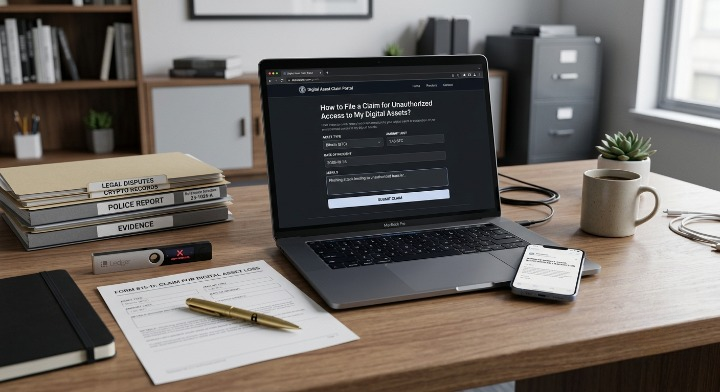
When Digital Assets Are Accessed Without Permission
Unauthorized access to a crypto wallet or exchange account can move from inconvenience to crisis in minutes. Because blockchain transfers are often irreversible, the window to respond matters. Blockchain records may be public and permanent, but a string of characters representing a wallet address does not, by itself, reveal who controls it. That gap between visible transaction data and real-world accountability is where Claims and Disputes work, and Crypto Assets Tracing typically begin.
What Counts as Unauthorized Access to Digital Assets?
Unauthorized access generally means any action which the owner has not permitted to take place. Examples of unauthorized actions are as follows:
- Unauthorized access to a wallet or accessing the account
- Unauthorized transactions made by the owner without permission
- Unauthorized exchange account
- Unauthorized withdrawals of cryptocurrencies
- Compromise of the private key/seed phrase
- Unauthorized takeover of the account due to phishing or credentials theft
Whether any claim can be filed or not depends on various things like jurisdiction and terms of use of a particular platform, and other things too.
What Should I Do Immediately After Discovering Unauthorized Access?
Act fast and efficiently, but not recklessly, in order to save security and evidence at once.
- Ensure the safety of all remaining wallets, accounts, and devices if you can.
- Make sure to keep all transactions recorded without deleting anything.
- Keep all wallet addresses, transaction hashes, timestamps, screenshots, and associated communications.
- Communicate with your exchange/website as soon as possible.
- Do not change anything too much on your devices and accounts until the evidence has been gathered.
- Do consider contacting professionals if you suspect major loss.
It may turn out that preserving evidence unaltered will significantly influence the future investigation.
How Does Crypto Assets Tracing Help With a Claim?
Crypto Assets Tracing relies on blockchain forensics to assist in understanding the path the digital assets have taken since an illegal transaction has been performed. Usually, investigators analyze:
- Transaction hashes and addresses
- Blockchain history
- Timestamps of transactions
- Exchanges/platform interactions
- Movements across various addresses
- Relationship of transactions
It may be helpful in creating a pattern of movements for evidence. However, it is necessary to keep in mind the limitations of crypto assets tracing – just because someone has a certain wallet address does not mean that they control it.
How Do Claims and Disputes Work After Unauthorised Access?
Claims and Disputes involving digital assets are rarely governed by one uniform process. What applies in a given case tends to turn on questions such as:
- What exactly happened, and when?
- Who controlled the relevant wallet or account?
- Where did the assets move?
- Was a third party involved?
- Is there any evidence?
- Which jurisdiction has jurisdiction?
- What laws, contracts, or terms of service can apply?
Given that the answers to these questions differ from case to case, there is no one-size-fits-all approach to resolving issues relating to unauthorized digital assets.
What Evidence Can Support a Digital Asset Claim?
A structured chronology of evidentiary documents aids in analyzing the case effectively. Helpful evidence may include:
- Blockchain transaction data and ID/transaction hashes
- Addresses on the wallet
- Statements from an exchange account
- Login details and security
- Emails, messages, and screenshots
- Terms of service of the platform/contract
- Proof of ownership of the affected assets
It will be useful to collect such evidence in advance while memories about the events and relevant records are fresh.
Can a Blockchain Investigation Identify the Person Behind a Wallet?

Not always, and not on its own. It is very important not to confuse the issue of the transaction itself with the identification process. Although it may be possible to find some kind of pattern or connection through blockchain analytics, the next step is linking the address to a particular individual or entity that can be obtained through various documents either legally or via court order.
When Should I Seek Professional Assistance?
Professional legal and investigative support is often worth considering when:
- A significant value of digital assets is involved
- Transactions span multiple wallets or platforms
- The recipient’s identity is unknown
- An exchange or other service provider played a role
- The dispute crosses multiple jurisdictions
- Evidence needs careful preservation or technical analysis
- A formal claim or legal proceeding is being considered
FintechLegals works alongside clients navigating Claims and Disputes, Crypto Assets Tracing, cryptocurrency compliance, and broader crypto investigation and due diligence matters — helping clients understand their options rather than promising any particular outcome.
Building an Evidence-Based Digital Asset Claim
Unauthorized access to digital assets is both a security incident and, potentially, a legal dispute. Crypto Assets Tracing can help establish how assets moved, while Claims and Disputes work focuses on the legal issues, parties, evidence, and remedies that may follow. Neither guarantees recovery, but together they form the foundation of an informed, evidence-based response.
If you believe your digital assets have been accessed without authorization, consider speaking with a qualified professional about your specific circumstances.
For more updates, follow us on LinkedIn.
Leave a Reply