


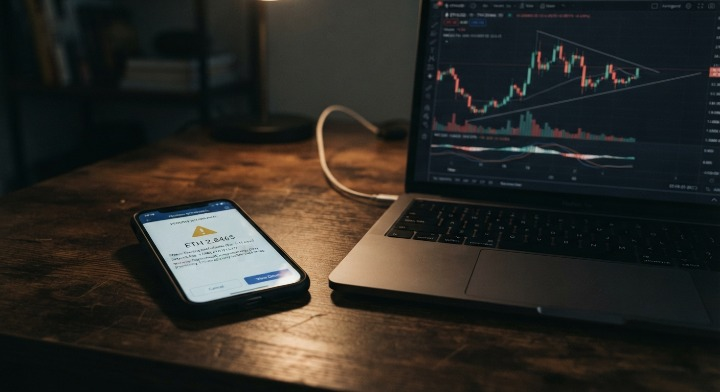
This BingX review looks at a consumer report in which a person says they were told to download the BingX app to cash out a crypto account, then faced repeated fee demands before they could withdraw. The report is one person’s account and has not been independently verified. It does not establish who made the fee demands, which matters for how it should be read.
Key Findings
- The concerns come from one reported account, not a verified investigation or regulatory finding.
- The complainant says they were asked to download the BingX app to cash in a crypto account.
- They report being told to pay a series of fees before they could withdraw.
- The report does not say who requested the fees or on which platform the original account was held.
- No findings about BingX’s conduct, registration, or licensing were supplied.
Reported Information at a Glance
| Detail | As reported |
| Business named | BingX |
| Website | bingx.com |
| Complainant’s location | Idaho, USA |
| Operator location, email, phone | Unknown |
| Source type | Individual account, not independently verified |
What Do We Know About BingX in This Report?
Very little is verified. The report names BingX and links to bingx.com, but it supplies no operator location, email, or phone number. It says nothing about registration, licensing, or ownership.
BingX is a name that publicly operates as a crypto exchange and app. The report does not say whether the fee requests came from the exchange or from a third party who directed the complainant to it. Nothing here should be read as a finding about the company. Anything beyond the name and domain should be treated as unconfirmed.
What Happened According to the Report?
In short, the complainant says they were told to download the BingX app to cash in a crypto account, were then asked for a fee to withdraw, paid it, and were asked for more. According to a BBB Scam Tracker report dated August 11, 2026, this happened more than once, each time with a new payment required before withdrawal.
The report does not say who gave the original instruction, where the “crypto account” was held, or how the person was first contacted. It also does not say whether the fees were requested inside the app or elsewhere. Those gaps limit what can be concluded.
Why Does Being Directed to an Exchange App Deserve Scrutiny?
Being told by someone else to download a particular app to cash out is a pattern worth examining. A genuine exchange is a place to hold and move your own assets. It does not need a third party to instruct you on how to access your money.
The concern is that a familiar app name can lend credibility to a process controlled by someone else. A fake or spoofed interface, or an unrelated platform using a known name, can look like the real service. Which, if any, applies here is not established by the report.
Why Do Repeated Withdrawal Fees Raise Concern?
Repeated payments demanded before a withdrawal are a recognized warning sign, often described as advance fee requests. Legitimate platforms may charge network or withdrawal fees, but these are published, modest, and deducted at withdrawal. They are not stacked as new conditions after each payment.
A sequence where each payment leads to a new demand suggests the goalposts may keep moving. Paying more rarely resolves it, and the usual advice is to stop sending funds and document everything.
Which Warning Signs Apply?
- Instructions from a third party on which app to use to access your funds
- Fees demanded before withdrawal, especially ones not in published terms
- New fees appearing after each payment
- Pressure to pay quickly to avoid losing access
- Unclear roles, where it is uncertain who actually controls the account
One sign alone does not prove wrongdoing. Several together justify stopping to verify.
How Can You Check Whether You Are on a Genuine Platform?
Confirm that you are on the real service, who controls the funds, and what the fees actually are before paying anything:
- Download apps only from the official app stores and the company’s verified site, and compare the developer name and web address with official sources.
- Confirm that the account is held in your name, with credentials you created yourself.
- Check the platform’s published fee schedule rather than relying on a figure a third party gives you.
- Contact the platform’s official support through its verified channels to ask whether the fees are real.
- Search business registries and your financial regulator’s lists for the operator.
If the fees only appear in messages from someone else, that is useful information in itself.
What Should You Do If You Have Been Asked for Repeated Fees?
Stop paying and keep records:
- Do not pay further fees, taxes, or deposits to release funds.
- Save evidence: screenshots of the app, fee messages, chat logs, and emails.
- Record payment details: dates, methods, wallet addresses, and transaction hashes.
- Contact your bank, card issuer, or exchange promptly about payments already made.
- Report the activity to your national consumer or financial-crime reporting body.
Be cautious of anyone who contacts you promising guaranteed recovery. Digital forensic data analysis can help organize messages and payment records into evidence suitable for a report.
Can the Payments Be Traced?
Often, yes, if cryptocurrency was used. Blockchain ledgers are public and permanent, so analysts can follow funds between wallets and identify where they reach exchanges or other identifiable services. Tracing is easier when wallet addresses and transaction hashes have been preserved.
FintechLegals provides information and services on cryptocurrency investigations, blockchain analysis, and digital asset tracing. A cryptocurrency fraud investigation can review transaction histories and document where funds moved, and cryptocurrency tracing services follow those movements across addresses. Broader digital fraud investigations examine how an incident unfolded.
FintechLegals has not investigated BingX or handled the report discussed here. Tracing can clarify what happened and strengthen a complaint, but it cannot guarantee recovery or reverse a transaction. To learn what a review of your own transactions would involve, contact FintechLegals for investigation assistance.
What the Report Does and Doesn’t Establish
The report describes being told to use the BingX app to cash out, followed by repeated fee demands before withdrawal. It does not establish who made those demands, whether BingX was involved in them, or whether any authority has acted. Whether it amounts to a BingX scam cannot be determined from it alone, and readers should not assume the exchange itself made the requests.
The practical lesson holds regardless: be cautious when someone else directs how you access your funds, and never pay repeated fees to release your own money.
Frequently Asked Questions
What is BingX?
BingX is a business name and website (bingx.com) named in a consumer report about withdrawal fee demands. The report gives no verified details on ownership, registration, or licensing, so those need independent checking.
Is BingX a scam?
The available report cannot confirm that. It is one individual’s account, not a court or regulatory finding, and it does not say who requested the fees. Check registry records, regulator lists, and independent reports before drawing conclusions.
Why would someone be told to pay fees before withdrawing crypto?
Legitimate platforms may charge published withdrawal or network fees, usually deducted at the time of withdrawal. Repeated, escalating fees demanded by a third party are a recognized warning sign, so stop and verify.
How can I tell whether I am using the real exchange app?
Install only from official app stores and the company’s verified website, confirm the developer name, and make sure the account is in your name with credentials you set. Verify any fee through official support.
Can blockchain transactions be investigated after a suspected fraud?
Often, yes. Public ledgers record transfers permanently, so analysts can follow funds across wallets and identify exchange touchpoints. Tracing can support reports but cannot guarantee recovery.
For more updates, follow us on LinkedIn, Facebook, X.com, Instagram.

Leave a Reply