



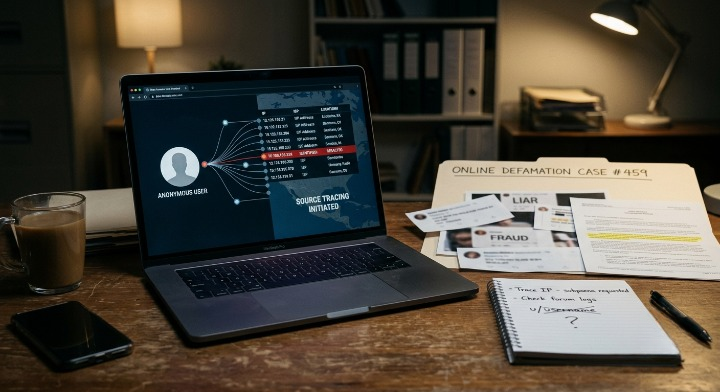
Anonymous Defamation Is Not Always Truly Anonymous
A single anonymous post can do lasting damage. A false review, a fake profile spreading allegations, or an anonymous forum comment can harm a person’s reputation, a business’s revenue, or a professional’s standing within hours of publication. Usernames, burner accounts, and pseudonyms are designed to obscure identity, but obscurity is not the same as invisibility. Nearly every online action leaves some kind of trace — a pattern, a timestamp, a connection between accounts — and that trail is often where an investigation begins. This is the space in which Online Defamation Services operate: helping individuals and businesses understand what happened, preserve the evidence, and pursue a lawful path toward identifying the source.
What Counts as Anonymous Defamatory Content?
Not every unflattering comment is defamation. Genuine opinions, fair criticism, and honest reviews are generally protected speech. Defamation typically involves a false statement of fact, published to others, that causes measurable harm to reputation. Common examples include:
- Anonymous social media posts making false factual claims
- Fake profiles impersonating someone to spread allegations
- Defamatory blog posts or articles
- Anonymous forum or comment-section attacks
- Fabricated online reviews
- Websites built specifically to publish misleading claims
- Anonymous accusations targeting a business or professional
Understanding this distinction matters before any investigation begins, since resources are better spent on content that meets the legal threshold for defamation rather than content that is simply critical.
How Cyber Intelligence Tools Help Identify Anonymous Users
How do cyber intelligence tools help identify anonymous users?
They help investigators connect publicly available dots. Legitimate open-source intelligence (OSINT) work can include:
- Username and alias research across platforms
- Domain and website intelligence, including registration history
- Public social-media connections and posting patterns
- Metadata or other information a poster has unintentionally exposed
- Historical website records and cached content
- Cross-platform identity correlation
- Technical indicators tied to a public-facing account
These methods rely entirely on publicly accessible information and careful analysis — not hacking, credential theft, spyware, or unauthorized access. Ethical investigators stay firmly within legal boundaries, because evidence obtained improperly can undermine a case rather than strengthen it.
Can an Anonymous Social Media Account Really Be Traced?
Can an anonymous social media account be traced?
Sometimes — but it depends on the evidence available. An investigator may be able to link an account to other public profiles, a domain, a writing style, or a network of related activity. In many cases, however, true identification requires information held only by the platform, hosting provider, or internet service provider, which typically requires a subpoena or other formal legal process. No investigation service can promise certain identification in every case, and reputable providers will say so clearly.
What Information Should You Preserve?
What should I do if someone posts defamatory content anonymously?
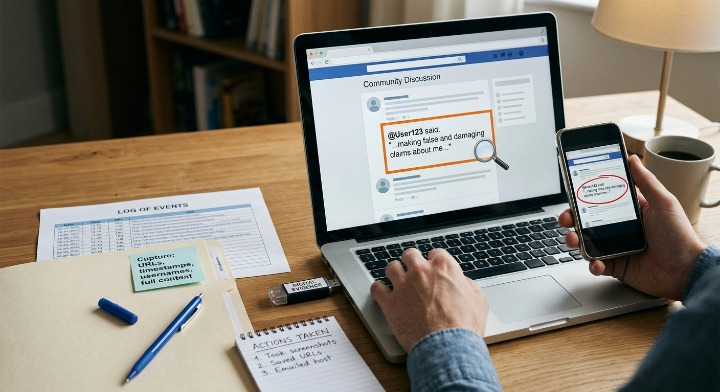
The first step is preservation, not confrontation. Before reporting content or requesting removal, gather:
- Screenshots of the content, including visible dates and usernames
- The original URL
- Account or profile names
- Timestamps of publication
- Full copies of the statements made
- Related messages or emails
- Domain or website ownership details
- Evidence showing reputational or financial impact
Preserve everything in its original context, and avoid editing or reformatting screenshots, since altered evidence can lose credibility later.
How Online Defamation Services Support an Investigation
Professional Online Defamation Services typically combine several disciplines rather than a single tool. This can include digital footprint analysis, structured OSINT research, website and domain investigation, evidence collection, source-attribution analysis, and a formal investigation report suitable for legal review. Many providers also assist with notice-and-takedown requests and coordinate directly with legal counsel when a case needs to move toward formal action.
What Happens When the Poster Can’t Be Identified Publicly?
When open-source methods reach their limit, the next step is often legal. Depending on the jurisdiction, an attorney may seek disclosure orders directed at platforms, hosting companies, or domain registrars. This process varies by country and by the platform involved, and it does not guarantee a successful outcome — but it is frequently the only route to firm identification when public information runs out.
Why DIY Searches May Not Be Enough
How can I find out who posted defamatory content anonymously on my own?
A basic Google search or manual username comparison can be a reasonable starting point, but it rarely produces a complete or legally usable picture. Individual searches are inconsistent, easy to overlook important details, and don’t produce documentation that holds up under scrutiny. Structured, professional investigation is designed to close those gaps.
When Should You Consider Professional Help?
Professional support becomes worth considering when the situation involves serious reputational harm, repeated anonymous attacks, false allegations damaging a business, coordinated defamation campaigns, persistent fake reviews, impersonation, or simple difficulty tracing the original source despite genuine effort.
Conclusion
Anonymity online rarely means there is no trail to follow. Between publicly available digital footprints and formal legal channels, there is often a path toward accountability. The most important first steps are preserving evidence carefully and avoiding any attempt to identify a poster through illegal means. For situations that require deeper expertise, Fintech Legals Online Defamation Services combine investigative and legal experience to help clients understand their options and pursue them responsibly.
For more updates, follow us on LinkedIn.
Leave a Reply