


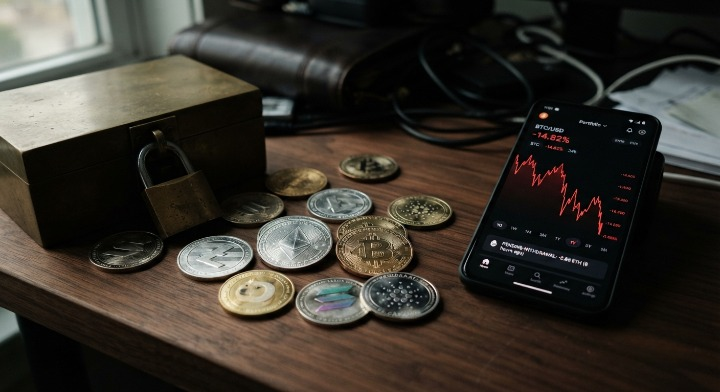
This Cryptosaversclub review looks at a consumer report about cryptosaversclub.com and a token called CSCS. The complainant says tokens were sold in person as being worth the same as the money paid, but that the real value was far lower and the funds could not be withdrawn. This is one person’s account and has not been independently verified.
Key Findings
- The concerns come from one reported account, not a verified investigation or regulatory finding.
- The report alleges that CSCS tokens were sold directly by an individual in person.
- The tokens were reportedly presented as equal in value to the money paid.
- The complainant alleges the actual value was much lower and that funds could not be withdrawn.
- No verified information about the platform’s ownership, registration, or licensing was supplied.
Reported Information at a Glance
| Detail | As reported |
| Platform | cryptosaversclub.com |
| Token | CSCS |
| Complainant’s location | Hawaii, USA |
| Unknown | |
| Source type | Individual account, not independently verified |
What Do We Know About Cryptosaversclub.com?
Very little is verified. The report names cryptosaversclub.com as the platform where the CSCS token was credited. It provides no information on who owns or operates the site, whether it is registered as a business, or whether any regulator oversees it.
The report also describes a person selling the tokens directly to others, so the seller and the platform may be separate parties. The report does not establish their relationship, and none of the allegations about any individual has been verified. Treat everything beyond the domain and token name as unconfirmed.
What Happened According to the Report?
In short, the complainant alleges that tokens were sold in person as worth the amount paid, then credited on the platform, where their real value proved far lower, and withdrawal was not possible. According to a BBB Scam Tracker report dated August 24, 2026, the buyer paid the seller directly, and the seller then forwarded tokens through the platform.
The report does not say how the platform displayed the balance, what withdrawal steps were attempted, or what responses were received. Those gaps limit what can be concluded.
Why Does a Claimed Dollar-for-Dollar Value Deserve Scrutiny?
A token’s value is set by what others will pay for it, not by what a seller says. A claim that a token equals a fixed dollar amount should be checked against independent market data, such as a listing on a recognized exchange and its actual trading history.
If a token cannot be traded or sold openly, a displayed balance may not reflect what it could fetch. That does not prove any wrongdoing in this case, but it is why a seller’s stated price alone is not enough.
Why Do Direct Sales and Platform Balances Raise Questions?
Paying one person and receiving a balance on a separate platform puts you at the mercy of two parties you cannot easily check. Money handed over directly sits outside any platform’s records or protections.
A balance on a website is also the platform’s own record. Whether it can become cryptocurrency in a wallet you control is the question that matters, and the report alleges that it could not.
Which Warning Signs Apply?
- A claimed fixed value for a token with no independent price source
- Direct payment to an individual instead of through a regulated exchange
- Withdrawal restrictions or an inability to move funds out
- Sales through personal networks, where trust replaces verification
- Missing basics, such as no clear operator, registration, or terms
One sign alone does not prove wrongdoing. Several together justify stopping to verify.
How Can You Verify a Crypto Token Before Buying?
Confirm the token’s market, the platform’s operator, and your ability to withdraw before paying anyone:
- Look for the token on recognized exchanges and compare any claimed value to real trading data.
- Check whether the token has a public contract address you can inspect on a blockchain explorer.
- Search business registries and your financial regulator’s lists for the platform’s operator.
- Read the withdrawal terms and test a small withdrawal early.
- Seek independent feedback on unrelated sites, not testimonials supplied by the seller.
If a token and platform cannot be verified, that is useful information in itself.
What Should You Do If Funds Cannot Be Withdrawn?
Stop sending money and keep records:
- Do not pay release fees or buy more tokens to unlock a balance.
- Save evidence: screenshots of balances, messages, receipts, and the platform’s terms.
- Record payment details: dates, methods, wallet addresses, and transaction hashes.
- Contact your bank or payment provider about any payments you made.
- Report the activity to your national consumer or financial-crime reporting body, and to local authorities if money was handed over in person.
Be cautious of anyone promising guaranteed recovery. Digital forensic data analysis can help organize messages and payment records into evidence suitable for a report.
Can Token Transactions Be Traced After a Suspected Fraud?
Often, yes, where blockchain transfers are involved. Public ledgers are permanent, so analysts can follow tokens and funds between wallets and identify where they reach exchanges or other identifiable services. Cash handed over in person falls outside the blockchain and is a matter for local authorities.
FintechLegals provides information and services on cryptocurrency investigations, blockchain analysis, and digital asset tracing. A cryptocurrency fraud investigation can review transaction histories and document where assets moved, and cryptocurrency tracing services follow those movements across addresses. Broader digital fraud investigations examine how an incident unfolded.
FintechLegals has not investigated cryptosaversclub.com or handled the report discussed here. Tracing can clarify what happened and strengthen a complaint, but it cannot guarantee recovery. To learn what a review of your own transactions would involve, contact FintechLegals for investigation assistance.
What the Report Does and Doesn’t Establish
The report describes tokens sold as dollar-for-dollar, a much lower real value, and funds that could not be withdrawn. It does not establish who operates cryptosaversclub.com, how the token is priced, or whether any authority has acted. Whether it amounts to a Cryptosaversclub scam cannot be determined from it alone.
The practical lesson holds regardless: verify a token’s market value independently, avoid paying individuals directly, and test withdrawals before relying on any balance.
Frequently Asked Questions
What is Cryptosaversclub?
Cryptosaversclub is a website at cryptosaversclub.com named in a consumer report involving the CSCS token. The report gives no verified details on ownership, registration, or licensing, so those need independent checking.
Is Cryptosaversclub a scam?
The available report cannot confirm that. It is one individual’s account, not a court or regulatory finding. Check registry records, regulator lists, and independent reports before drawing conclusions.
What is the CSCS token?
CSCS is the token named in the report as sold and credited through the platform. The report gives no verified information about its issuer or market, so check for an independent listing and public contract address.
How can I check whether a token’s claimed value is real?
Compare the claimed price with trading data on recognized exchanges and confirm the token can actually be sold. A seller’s own price statement is not independent evidence.
Can blockchain transactions be investigated after a suspected fraud?
Often, yes. Public ledgers record transfers permanently, so analysts can follow funds across wallets and identify exchange touchpoints. Tracing can support reports but cannot guarantee recovery.
For more updates, follow us on LinkedIn, Facebook, X.com, Instagram.

Leave a Reply