
-

Can You Trace Stolen USDT? How Tether Transactions Can Be Investigated
In many cases, yes. USDT transactions are recorded on public blockchains, so investigators can often follow the movement of funds from one wallet address to another. Tracing shows where funds went. It does not guarantee that they can be recovered, and it does not always reveal who controls a wallet. USDT (Tether) exists on several…
-

Can You Trace Stolen Bitcoin? How Bitcoin Transaction Tracing Works
Often, yes. The movement of the funds can usually be traced; the person behind them cannot always be identified, and the funds cannot always be recovered. Bitcoin transactions are recorded on a public blockchain, so the path of a payment can often be followed from one wallet address to the next. But tracing is not…
-

Crypto Wallet Drained: What to Do and How to Investigate
When a crypto wallet is drained, cryptocurrency is moved out of it without the owner’s authorization. Because blockchain transactions are generally irreversible, acting quickly matters: securing what remains, preserving evidence and understanding the transaction trail are the most useful early steps. This guide explains what may have happened, what to do now and how transaction…
-
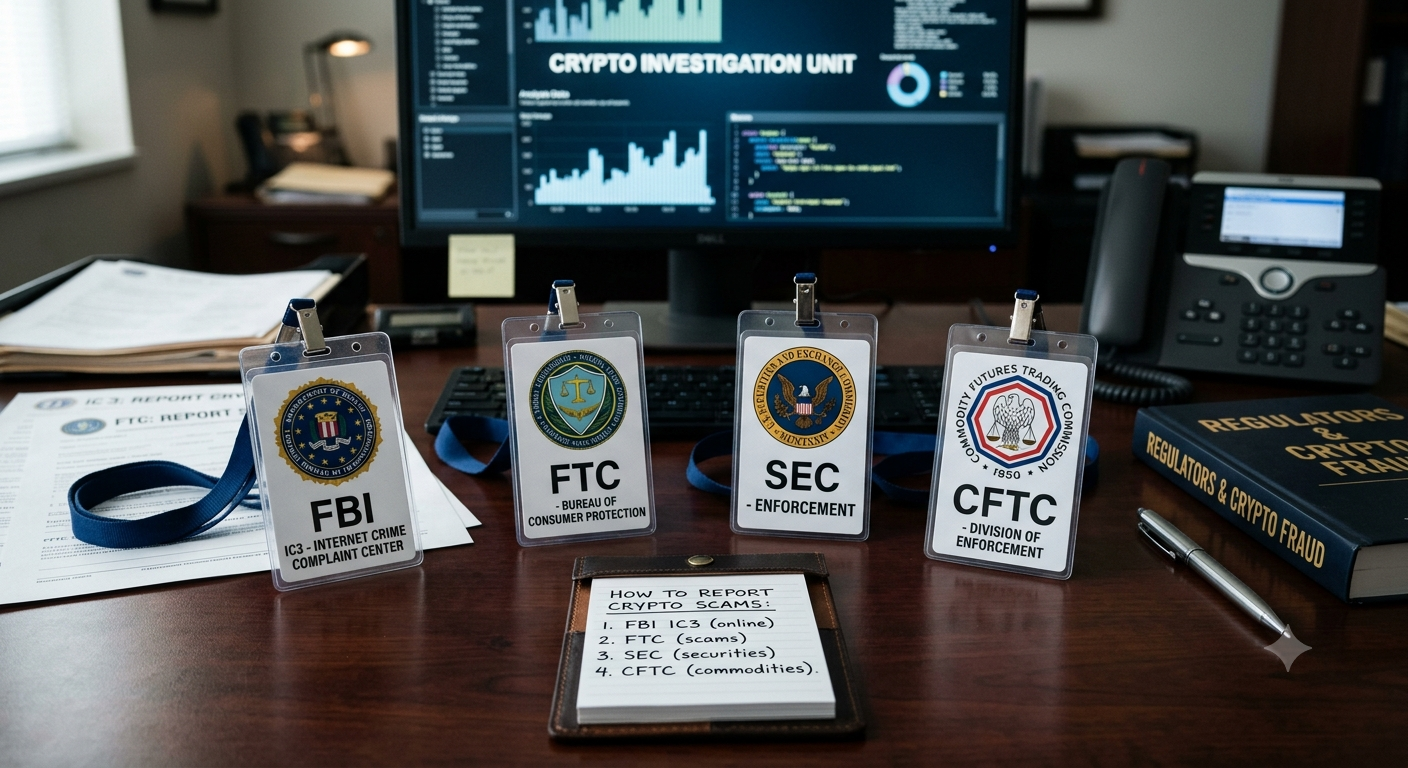
How to Report a Crypto Scam: FBI IC3, FTC, SEC, CFTC and Other Regulators
If you’ve lost money to a cryptocurrency scam, knowing how to report it is an important first step. Reports help authorities spot patterns, link cases, and sometimes act against the people behind the fraud. Before you submit anything, preserve your evidence. Scam websites disappear, chats get deleted, and accounts are closed quickly. Reporting is not…
-
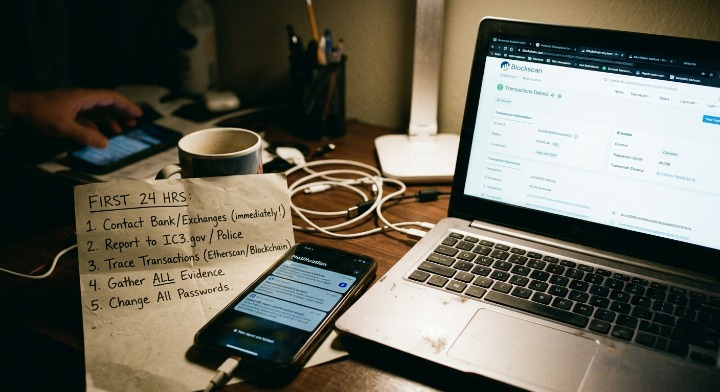
What to Do After Being Scammed on Crypto: First 24-Hour Checklist
Discovering that you have been the victim of a crypto scam is disorienting. The most useful thing you can do now is slow down and work methodically. What you do in the first day often determines how much usable evidence you have later, whether you are reporting to authorities, contacting an exchange, or seeking a…
-

How Investigators Follow Crypto Funds Across Exchanges and Wallets
Cryptocurrency transactions are often referred to as being transparent. However, while this may be true in one way, it does not necessarily mean that the identity of the individuals involved in these transactions can be revealed easily. Wallets use alphanumeric addresses, which cannot reveal identities. This is the reason why crypto asset tracing has become…
-
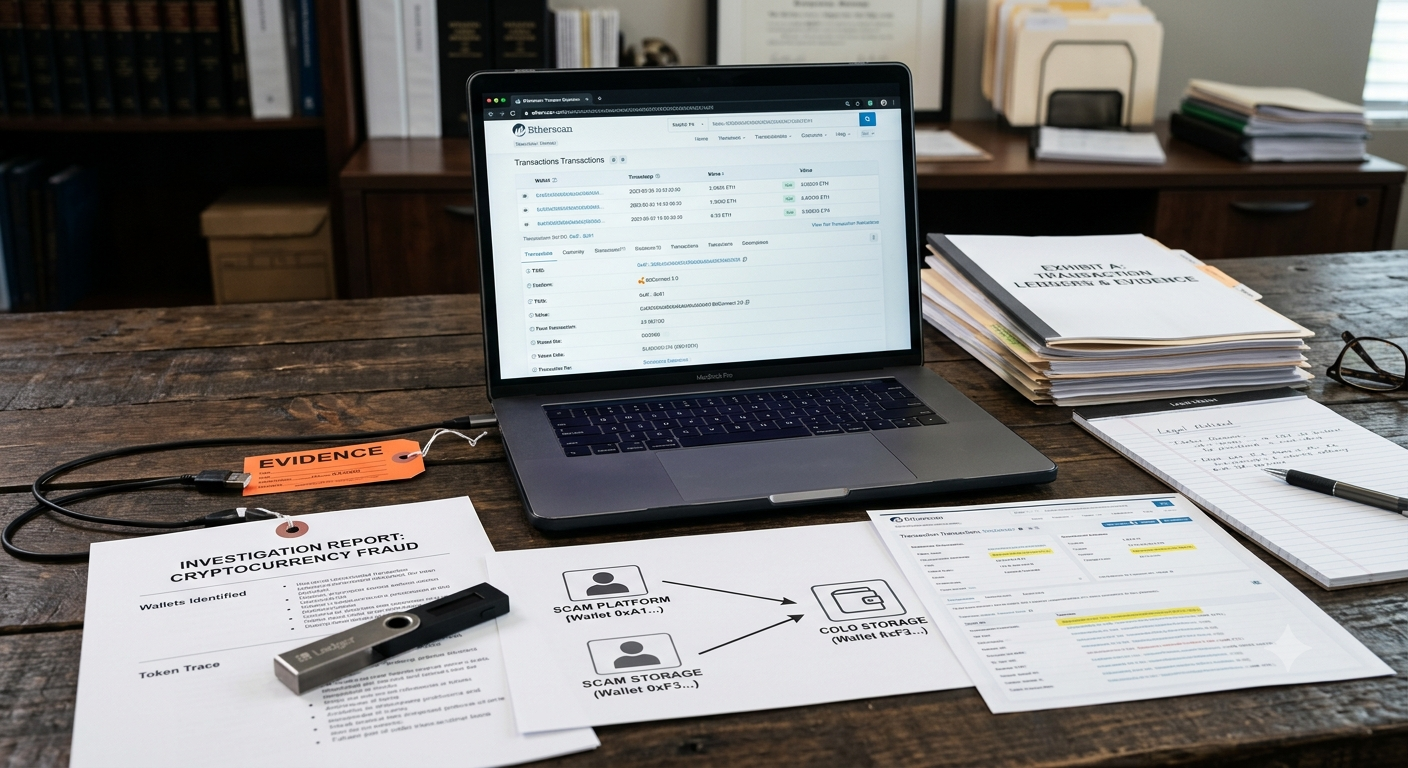
What Legal Evidence Is Needed to Investigate a Cryptocurrency Scam?
Cryptocurrency scams take many forms: fake investment platforms, phishing, fraudulent wallets, impersonation, Ponzi schemes, romance scams, and unauthorized transfers. A screenshot or a victim’s statement is rarely enough to support a cryptocurrency scam investigation. Investigators usually need to connect blockchain transactions with websites, accounts, communications, devices, and financial records to build a coherent, reviewable picture.…
-

Crypto Asset Recovery vs. Crypto Asset Tracing: What Is the Legal Difference?
Since cryptocurrency transactions are done on public blockchains, most people think that once funds are stolen or misappropriated, they could easily be traced and retrieved. Tracing cryptocurrencies and the recovery of such cryptocurrencies are two different things. There’s an important distinction between crypto asset recovery and crypto asset tracing that victims and even companies need…
-

How Are Stablecoins Changing Cryptocurrency Regulation in 2026?
Stablecoins have evolved from being a tool used in trading to being infrastructure in payment and settlement systems. This is what makes stablecoin regulation in 2026 very important to regulators and legislators. A stablecoin is defined as a crypto asset that has a stable value. The value is usually pegged to fiat currency. Regulators do…
-

Best Crypto to Buy: How to Evaluate Cryptocurrencies Before Investing
There is no specific crypto that can be recommended to all investors because there are many other parameters such as goals, risk tolerance, investment horizon, liquidity, fundamentals, adoption rate, and security. Large-cap crypto coins like Bitcoin and Ethereum are often analyzed first, whereas small-cap crypto projects usually have higher risks involved. What Is the Best…
-

How to Buy Bitcoin Safely: A Practical Guide
You can buy Bitcoin safely by securing transactions with the help of a reliable exchange, if regulation is necessary, doing background checks on the firm running the exchange, securing your account and wallet, analyzing every single detail of the transaction and not making any unplanned investments. How to Buy Bitcoin Safely Bitcoin is a blockchain-based…
-
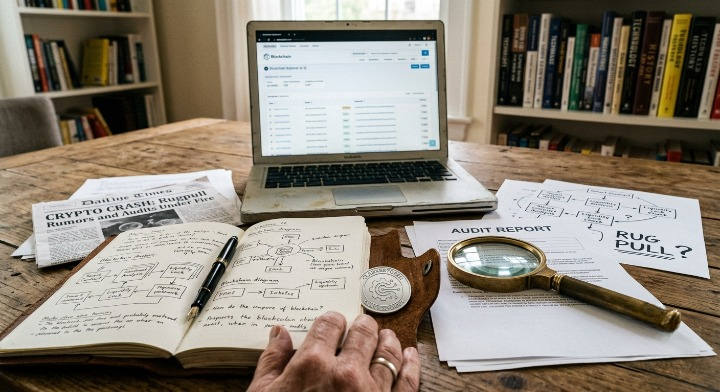
Discovering the Truth: Is Clankertoken a Rug or Scam or Audit?
Introduction Overview of Clankertoken Search “Clankertoken”, and you will find a mix of results. Some show token prices, some show developer documentation, and some are scam warning lists. The name is confusing because it refers to more than one thing. Clanker is a set of smart contracts that create token markets which reward token creators.…
-
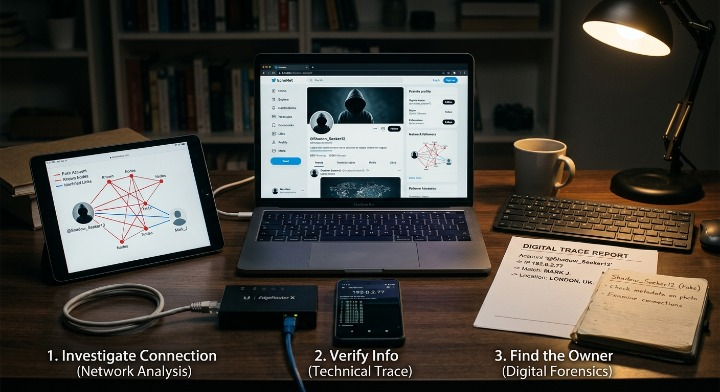
How to Identify the Person Behind a Fake Social Media Account
Identifying a person who operates a fake social media profile can involve looking at public data, behavior in the profile, use of similar usernames, associated websites/domains, images, among many others. In some cases, transaction history might be relevant. Identification of the real identity of a person will often involve platform-specific data or legal processes since…
-
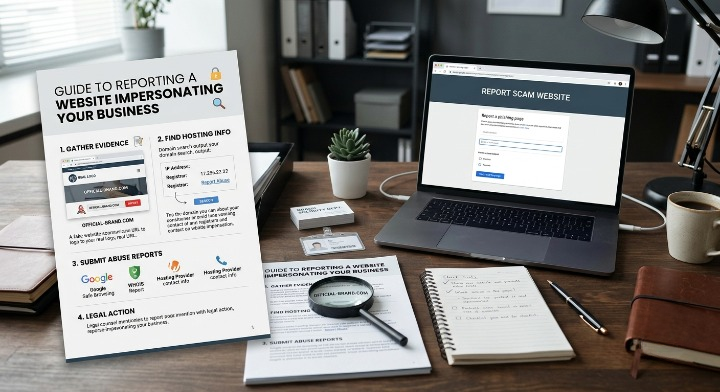
How to Report a Website Impersonating Your Business
To report a site that is falsely representing your company, start by gathering evidence in the form of screenshots, links to the site, and the copied logos. After that, you need to make sure that your business information is accurate and establish the identity of the domain registrar and host. Report through the appropriate channel,…
-

What Is Crypto Transaction Clustering?
Crypto transaction clustering is a type of analysis of the blockchain which involves putting crypto addresses and transactions together on the basis of observable features found on-chain that seem related to each other. The clustering of crypto transactions is a method of analyzing data in order to create leads for investigation. What Is Crypto Transaction…
-

How Are AI-Powered Crypto Scams Investigated?
The investigative process of AI scams in cryptocurrencies generally includes analysis of blockchain, cryptocurrency tracing, and digital forensics. It could involve the analysis of wallet addresses, transaction records, communications, phishing websites, and open-source intelligence. The perpetrators may not necessarily be found, and the funds may not be recovered. How Are AI-Powered Crypto Scams Investigated? The…
-
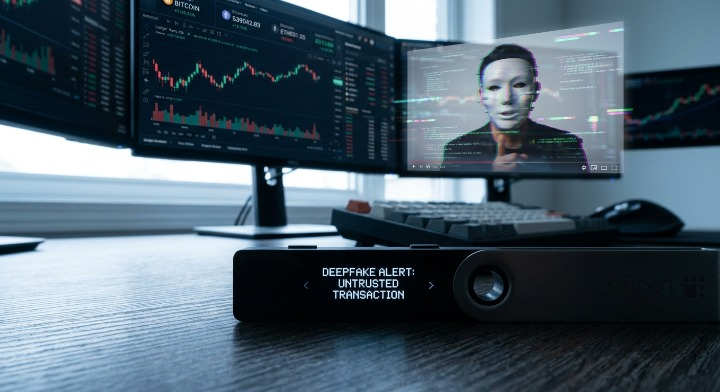
How Can Deepfakes Be Used in Cryptocurrency Scams?
Scammers can make fake or manipulated videos and audio of celebrities or other known persons, such as financial experts, corporate leaders, or people whom we know, in order to deceive others by impersonating these individuals and marketing fraudulent schemes involving cryptocurrencies, trading, giveaways, and money demands. How Can Deepfakes Be Used in Cryptocurrency Scams? Deepfakes…
-

What Should a Crypto Due Diligence Report Include?
A proper crypto due diligence report should cover the following factors about a project: identity and ownership, legal status, business model, tech, tokenomics, finances, management, security, on-chain activity, reputation, and lawsuits. They are useful for identifying inconsistencies, but a report cannot assure that a project is legitimate and safe. The scope will depend on what…
-
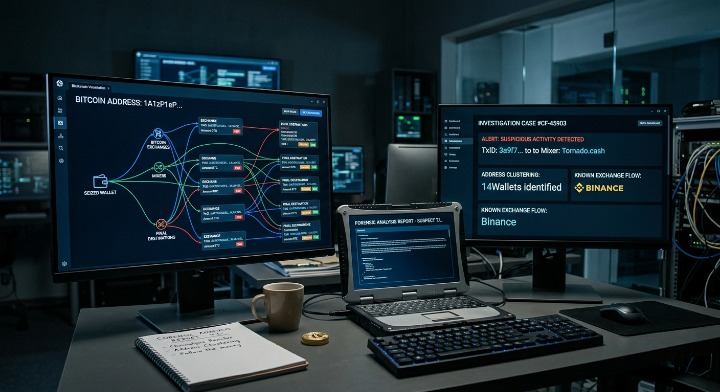
What Is Blockchain Forensics and How Is It Used in Crypto Investigations?
Blockchain forensics refers to the analysis of blockchain transactions, including addresses of wallets, hash value of the transaction and movements of assets. This technique uncovers details on how funds have been transferred among wallets and other services; however, it does not necessarily uncover the identity of the person who controls the wallet. What Is Blockchain…
-
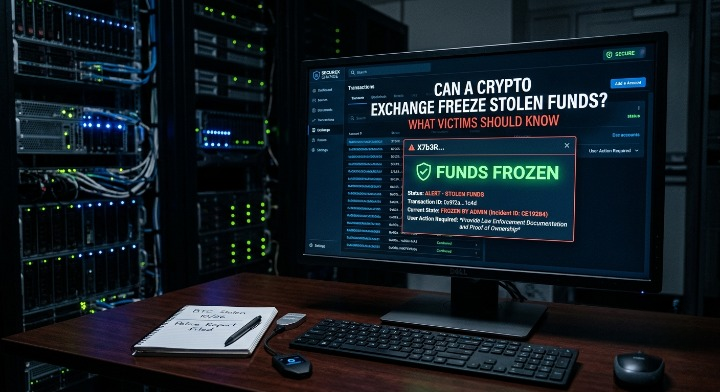
Can a Crypto Exchange Freeze Stolen Funds? What Victims Should Know
A crypto exchange can be blocked, marked, or frozen by the exchange if they have something to do with the theft. However, this is not automatic; it depends on whether the stolen money made it to the exchange in question, if the exchange is able to locate the appropriate account, and on other factors such…
-
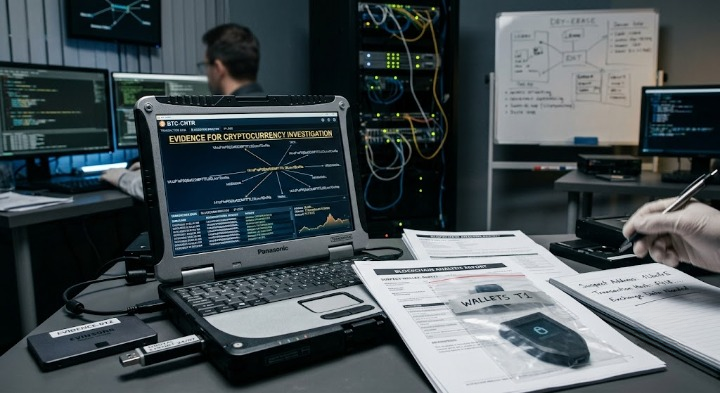
What Evidence Is Needed for a Cryptocurrency Investigation?
When conducting cryptocurrency investigations, the following data is usually obtained: Transaction IDs, wallets address (both sender and receiver), accounts on the exchange site, as well as any other data like screenshots, emails, chats, webpages, payment slips, and so on. Although the volume of evidence needed may differ depending on the circumstances, the more complete the…
-
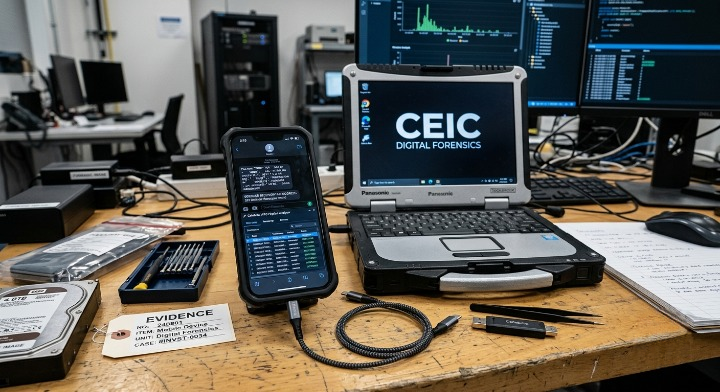
Can Deleted Messages Be Recovered for an Investigation?
Introduction: Deleted Does Not Always Mean Gone Deleted messages surface constantly in fraud investigations, cybercrime cases, corporate disputes, and financial-crime inquiries. A party may claim a conversation never happened, or a critical exchange may vanish just before litigation begins. This raises a question investigators, lawyers, and compliance teams ask often: can deleted messages be recovered…
-

How Can I Investigate an Online Fraud Case?
Online fraud has turned out to be even more complex, with criminals using anonymous websites, temporary email addresses, fictitious names, and several digital currency accounts. An example of online fraud includes a scam involving the use of a fraudulent website belonging to a fake company, a fake social media account, temporary email addresses, and digital…
-

How Can Cyber Investigators Trace Online Fraud? Using Cyber Intelligence Tools and Digital Forensics
Online fraud has grown far more sophisticated than a simple stolen password or a suspicious email. Scammers now operate across borders, use disposable accounts, and route money through cryptocurrency wallets and shell companies in minutes. Because of this, identifying an anonymous scammer is rarely as simple as searching for a name or looking up a…
-

Cyber Intelligence Tools for Cyber Tracing: How Digital Investigations Work
Each interaction in the online world leaves behind a footprint. Online registration on websites, cryptocurrency transactions, social media interaction, and online communication create data which, depending on the legal and investigative context, can be analyzed and linked together. In light of the growing sophistication of fraud schemes, scams, and anonymous online activities, knowledge of how…
-

How Do I File a Claim for Unauthorized Access to My Digital Assets?
When Digital Assets Are Accessed Without Permission Unauthorized access to a crypto wallet or exchange account can move from inconvenience to crisis in minutes. Because blockchain transfers are often irreversible, the window to respond matters. Blockchain records may be public and permanent, but a string of characters representing a wallet address does not, by itself,…
-
Where Can I Find a Private Firm to Trace Stolen Crypto?
Discovering that your cryptocurrency has been stolen or diverted through fraud is unsettling, and the natural next question is simple: can anyone actually find out where it went? Because blockchain transactions are public and permanent, the answer is often yes — but tracing funds is rarely as simple as typing a wallet address into a…
-
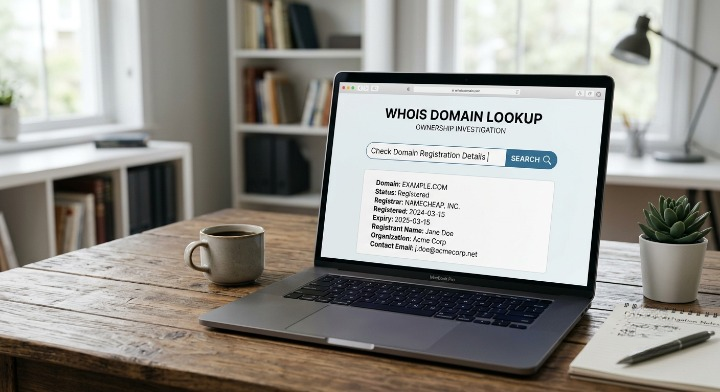
Where Can I Check Domain Registration Details Quickly? A Guide to Domain Ownership Investigation
If you’ve landed on a suspicious website, received a questionable investment pitch, or need to verify who’s really behind an online business, your first instinct is probably to search: “where can I check domain registration details quickly?” The good news is that basic domain information is often just a lookup away. The less convenient truth…
-
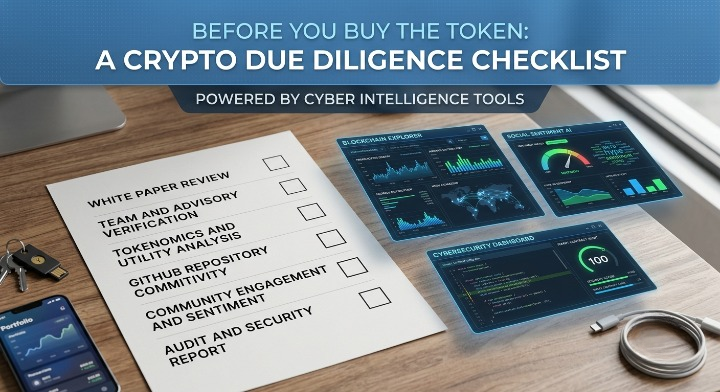
Before You Buy the Token: A Crypto Due Diligence Checklist Powered by Cyber Intelligence Tools
A polished website, an active X account, a slick whitepaper, and a buzzing Telegram group can all exist around a crypto project that has no real business behind it. None of these signals confirms legitimacy — they only confirm marketing effort. Before committing capital to any digital asset, investors need a structured, evidence-based approach: due…
-
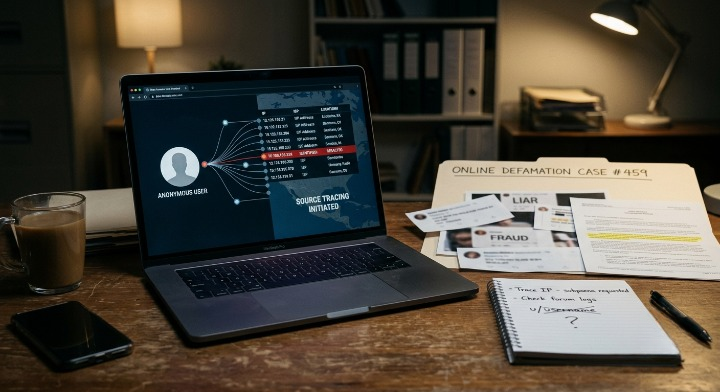
How to Find Out Who Posted Anonymous Defamatory Content Online: A Guide to Online Defamation Services
Anonymous Defamation Is Not Always Truly Anonymous A single anonymous post can do lasting damage. A false review, a fake profile spreading allegations, or an anonymous forum comment can harm a person’s reputation, a business’s revenue, or a professional’s standing within hours of publication. Usernames, burner accounts, and pseudonyms are designed to obscure identity, but…
-
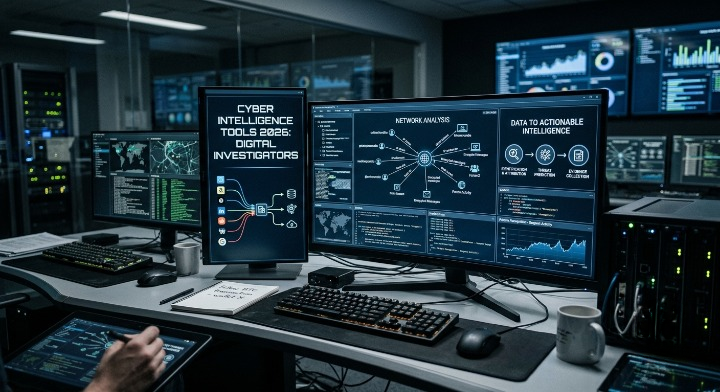
Cyber Intelligence Tools in 2026: How Digital Investigators Turn Online Data Into Actionable Intelligence
Modern investigations rarely begin with a paper trail alone. They start with a domain name, an IP address, a social profile, an email address or a wallet address. Each leaves a digital footprint, and connecting those footprints takes more than a search engine. Cyber intelligence tools help investigators gather, link and test that information so…
-

Cyber Threat Intelligence: Connecting Digital Footprints to Investigations, Fraud and Legal Action
Cyber incidents rarely arrive with a clear author. Attackers can work through rotating domains, compromised servers, disposable email accounts, false online identities and digital assets, so even a well-detected incident can leave more questions than answers. Cyber threat intelligence is the process of collecting, analysing and interpreting information about potential or active cyber threats. It…
-

Forensics Data Analysis: How Digital Evidence Becomes Investigative Proof
Financial fraud, cryptocurrency cases, and digital asset investigations do not usually rest upon one particular piece of paper or transaction. Rather, the truth is spread out among many different sources, including spreadsheets, wallets, emails, and timestamps – all of which only make sense when analyzed together. This is where the main purpose of forensic data…
-

How to Find Who Owns an Anonymous Website or Domain
Anonymous websites are common on the internet — but when one is used for fraud, impersonation, or a misleading financial pitch, identifying who is behind it becomes important. This guide explains lawful, practical methods for a domain ownership investigation, using publicly available records and appropriate legal processes. What Is an Anonymous or Privacy-Protected Domain? In…
-

What Should You Do If an Online Platform Freezes Your Account or Funds?
It is a stressful experience for anyone who discovers that their account has been frozen by a payment provider, exchange, investment portal, or marketplace, considering that it will affect them financially. It is necessary to learn the reasons behind account freezes to know what steps to take in such situations. What to Do If Your…
-

Legal Challenges Facing Cryptocurrency Exchanges: What Users and Businesses Should Know
Crypto exchanges operate in the space where fast-developing technology meets global finance and regulatory issues. When dealing with cross-border transactions, crypto exchanges have to comply with a range of requirements related to licensing, AML/KYC procedures, cybersecurity challenges, and disputes with customers, all at once. From an individual’s perspective, it may result in account freezing or…
-
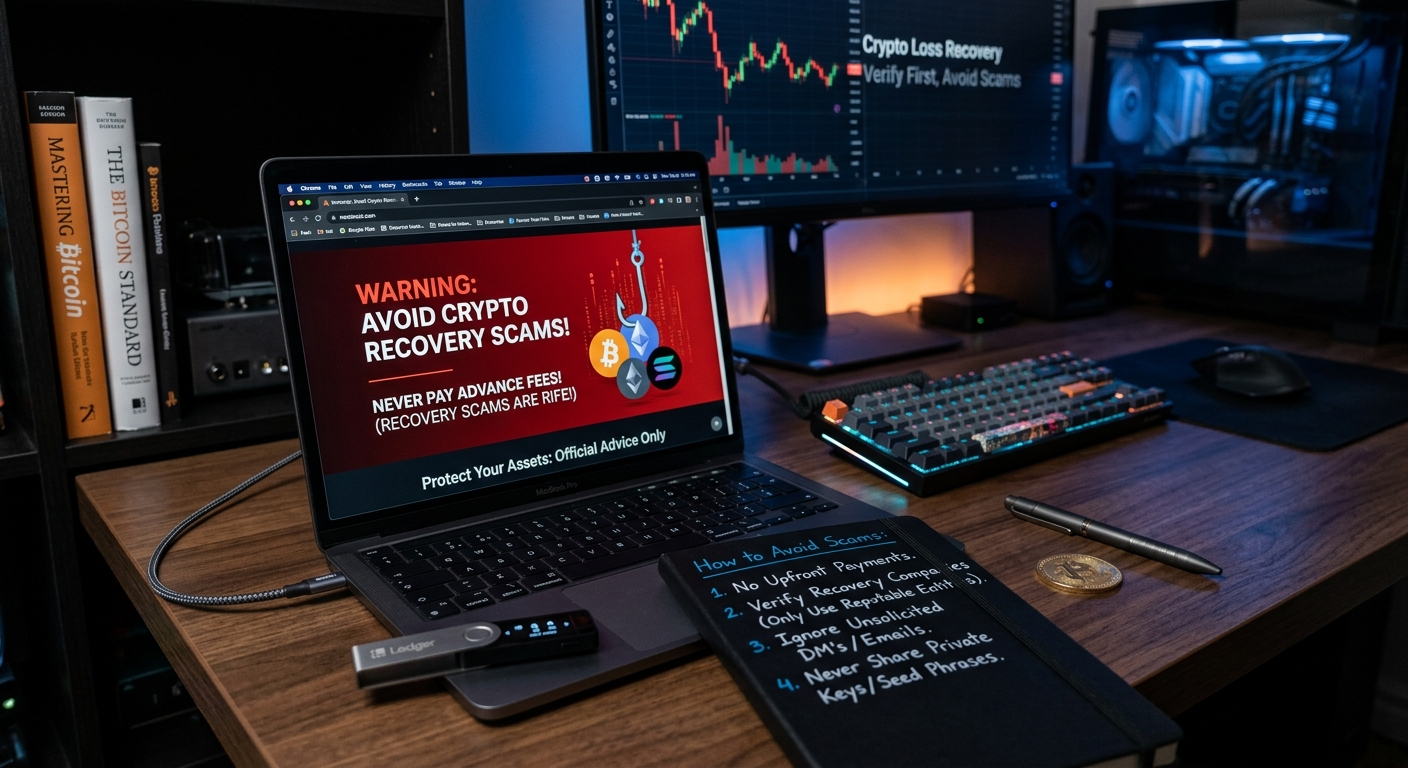
How to Avoid Crypto Recovery Scams After Losing Cryptocurrency
Losing cryptocurrency to fraud is distressing enough, but many victims are targeted again. Once a loss becomes known — through forum posts, exchange reports, or public complaints — opportunists reach out via social media, WhatsApp, Telegram, email, unsolicited ads, or slick “recovery” websites, claiming to be specialists, lawyers, or officials who can get the money…

3400, Cottage Way, STE G2, #36805, Sacramento, CA 95825


Talk to an advisor
Fintech Blog
Home · Page